
Women’s Dirndl Dress
Experience real Alpine craftsmanship with a German dirndl, featuring premium materials, heirloom-quality pleats, and hand-made embroidery. Our authentic dirndl includes a traditional dress, bodice, and lace apron. You can match a blouse with a dirndl from our range to complete the Bavarian look. Sizing ranges from small to plus size dirndl with mini, midi, and maxi length options.
Filter


Regular price
$169.00
$119.00
- Unit price
- / per


Regular price
$169.00
$119.00
- Unit price
- / per


Regular price
$179.00
$129.00
- Unit price
- / per


Regular price
$179.00
$139.00
- Unit price
- / per


Regular price
$189.00
$149.00
- Unit price
- / per


Regular price
$189.00
$139.00
- Unit price
- / per
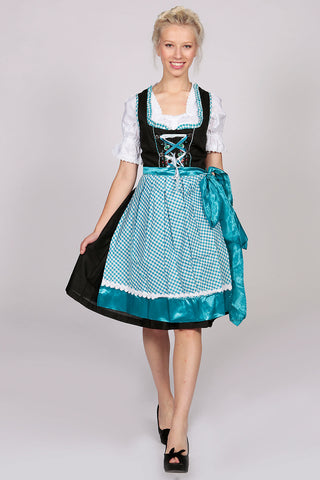

Regular price
$104.00
$74.00
- Unit price
- / per
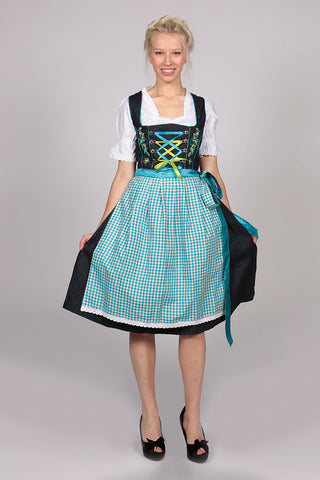

Regular price
$104.00
$74.00
- Unit price
- / per


Regular price
$189.00
$129.00
- Unit price
- / per
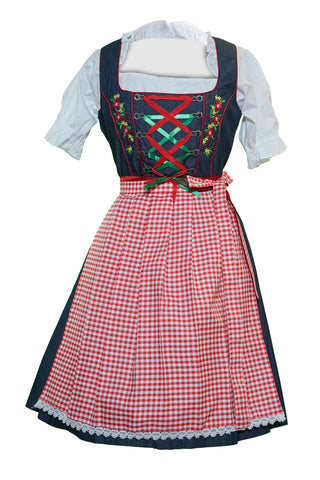
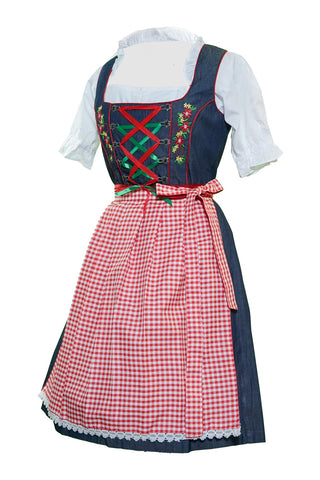
Regular price
$104.00
$74.00
- Unit price
- / per
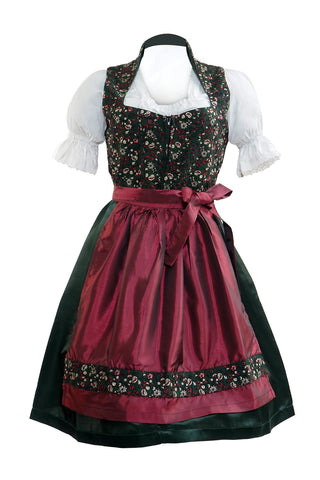
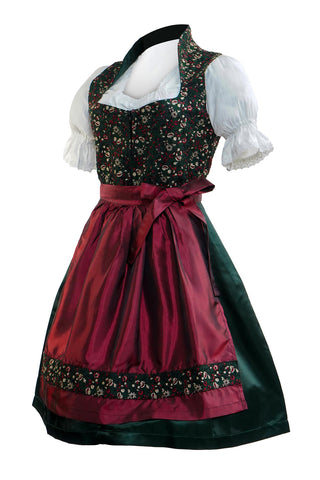
Regular price
$102.00
$79.00
- Unit price
- / per
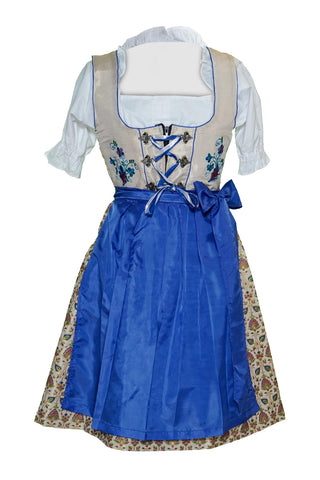
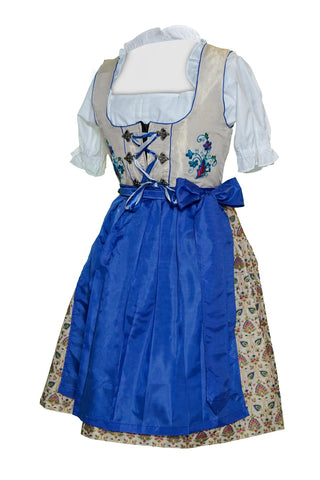
Regular price
$103.00
$83.00
- Unit price
- / per
You're viewing 12 of 20 products
Traditional Bavarian Dirndl Dress
Get an authentic German dirndl made of cotton, polyester, satin, velvet, and other high-quality materials for Oktoberfest. Our dirndl dress collection features German craftsmanship, realistic pricing, and fast shipping around the world. Refer to the size chart to choose the perfect fitting dirndl for yourself, and get a matching blouse and an apron for free
What Components are Included in Our Dirndl Dress?
Every authentic dirndl by Oktoberfest Wear is a four-piece set: bodice, skirt, blouse, and apron. Each piece plays a structural or cultural role in the complete Trachtenoutfit.
Bodice (Mieder)
Structured with boning or interfacing. It defines the waist and supports the bust. Closures include hook-and-eye, decorative buttons, or front lace-up Schnürung.
Skirt (Rock)
Gathered or pleated at the waist with natural volume. A petticoat adds fullness to mini cuts, while midi and maxi lengths fall from their own fabric weight.
Apron (Schürze)
Ties at the waist over the skirt. A traditional decorative element in satin silk, net, gingham, or jacquard weaves. The bow position carries meaning in Bavarian culture.
Blouse (Dirndlbluse)
Dirndl blouse is worn beneath the bodice. Styles include short puff-sleeve, 3/4-sleeve, and lace net in white or black cotton or net.
Why Does Our Traditional Bavarian Dirndl Stand Out?
Construction quality is the clearest dividing line between our genuine Tracht and festival costumes. The differences are visible at every seam in our German dirndl collection.
Internal boning or interfacing holds the Mieder in shape through a full day at Oktoberfest without collapsing. Seams are reinforced at the waist join where the bodice meets the gathered Rock. This is the single point carrying the most stress during movement.
Metal hook-and-eye closures maintain consistent tension across the front panel. Lace-up Schnürung uses grommets that allow visible fit adjustment. Embroidery on the bodice, neckline edge, and apron border is stitched directly into the fabric with color-fast thread. It holds through hand washing and light ironing.
Costume-grade dirndls use heat-pressed or glued decoration. It lifts and peels after a single Volksfest. That distinction is the clearest marker of our true Trachtenmode quality, rooted in Bavarian craft tradition.
What Fabrics are the Dirndl Dresses at Our Store Made of?
Traditional cotton weave is the core fabric across our dirndl collection. It breathes in warm Oktoberfest tents, holds color through repeated washing, and supports floral prints, Karo plaid, and solid tones equally. Linen offers a lighter drape suited to outdoor summer festivals and Maibaumfest celebrations. Both form the foundation of mini and midi dirndl styles.
Velvet adds warmth and depth to formal bodice construction across long dirndl styles built for evening sessions at the Wiesn. Silk and satin are reserved for aprons and accent panels where natural sheen elevates the look for formal occasions. Every dirndl in the collection features a breathable cotton or satin inner lining that maintains the bodice's structure over extended wear.
What Dirndl Lengths Suit the Oktoberfest Occasion?
Dirndl length is determined by occasion formality and personal style. Mini dirndl suits casual celebrations, midi dirndl is the most-worn length at Munich's Oktoberfest, while Maxi dirndl carries the full weight of Alpine heritage for formal occasions.
Mini-Dirndl (50–55 cm)
Mini length dirndl falls above the knee with a modern silhouette. It is best for casual Oktoberfest celebrations, themed parties, and outdoor beer garden events.
Midi Dirndl (60–75 cm)
Midi-length dirndls fall to mid-calf. Balances traditional Trachten proportion with practical all-day comfort. Midi-length suits every setting from Festzelt tents to regional Bavarian Volksfest occasions.
Maxi Dirndl (90–100 cm)
Maxi dirndl falls to the ankle with a formal silhouette. Full length is the expected choice for evening Oktoberfest events, Trachtenhochzeit, and formal Alpine celebrations.
What Colors and Patterns are Popular at Oktoberfest?
Classic Bavarian tones are leading our dirndl collection. Rich Bavarian blue, deep Bordeaux red, forest green, and black are the shades most associated with authentic Oktoberfest attire. Seasonal shades, including dusty rose, sage, plum, mustard, and turquoise, offer a contemporary interpretation within traditional Trachten construction.
Patterns range from solid tones and classic floral prints to Karo plaid, gingham checks, and woven jacquard motifs rooted in Miesbacher and Salzburger regional traditions. Every listing shows the exact color, pattern, and apron contrast so you can evaluate the full combination before ordering.
How Should a Dirndl Fit?
The Mieder should feel snug but never restrictive. Hook-and-eye or lace-up closures allow fine adjustment across the chest. The gathered skirt waistband accommodates natural hip variation.
Measure the bust at the fullest point while wearing the bra you plan to pair with the dirndl. Measure the waist at the narrowest point below the rib cage. Measure the hips at the widest point, approximately 20 cm below the waist. Every listing includes a size chart in both German EU sizing and international measurements.
Sizes run from XS (EU 32) through plus size (EU 54 and above). Plus size dirndls in the collection use the same fabrics, boning, and construction methods as all other sizes. If you fall between two sizes, size up for all-day Wiesn comfort.
What Accessories Complete Your Dirndl Outfit?
A complete Trachtenoutfit extends beyond the dirndl dress. Each accessory has a traditional role in women’s authentic Bavarian dress culture.
-
Dirndlbluse: White cotton with puff sleeves is the traditional choice. Lace and net blouses suit an evening Oktoberfest occasion.
-
Trachten Schmuck: A choker necklace, edelweiss pendant, or filigree chain complements the bodice detail. Choose the Oktoberfest jewelery that frames rather than competes with the Mieder embroidery.
-
Footwear: Traditional leather Trachten shoes suit Festzelt celebrations. Pumps suit formal events. Ballet flats work for all-day comfort at outdoor Volksfest occasions.
-
Hair accessories: An embroidered bag and floral hair combs, pins, or a fresh-flower wreath complete the full Trachtenoutfit in Oberbayern tradition.
Shop dirndl from Oktoberfest Wear now. Filter by length, fabric, color, and size. Match your skirt with and accessories from our store to complete the women's Oktoberfest outfit.
FAQs
What does dirndl mean in German?
Dirndl means "young woman" in Bavarian dialect. Dirndlkleid refers to the traditional three-piece dress: bodice (Mieder), skirt (Rock), and apron (Schürze), worn with a Dirndlbluse.
Can you wear a dirndl if you are not German?
Women of all backgrounds can wear dirndls at Oktoberfest Munich, regional Volksfest celebrations, and Bavarian events worldwide.
How do you wear a dirndl correctly?
Wear the Dirndl blouse underneath the bodice first. Fasten the Mieder snugly at the waist and tie the apron neatly over the skirt. Complete the look with matching dirndl accessories.
What does the apron bow position mean?
The apron bow carries traditional meaning in Bavarian Tracht. Tied on the left signals single. Tied on the right signals taken or married and tied at center front traditionally indicates undecided. Tied at center back signals a widowed person or a waitress at the Festzelt.
How do you wash a dirndl?
Hand-wash in cold water with a mild detergent, or use a gentle machine cycle. Air dry flat. Velvet and silk pieces may require dry cleaning. Check the care label on each garment before washing.